Raising Hell: Issue 95: That Burning Feeling
"Politics is like boxing — you try to knock out your opponents." - Idi Amin, African summit talks, January 1976.
You could see the smoke from the plane as I touched down in Canberra. The plane was small, one of those connecting aircraft they run from Sydney and outside a wispy brown-grey haze lingered. About 400,000 hectares of Victoria burned that week, with one fire leaping over the border into New South Wales. A man was killed – his body found 100m from his vehicle – towns were evacuated, over 300 structures destroyed and 20,000 cattle. With a triple-dip La Nina over the last three years, this was supposed to be a mild year raising the question about how bad things will get when El Nino arrives again.
I was in Canberra this last fortnight to visit the archives. Over the last two years or so, I've had a slow-burn project researching the activity of a government agency in the nineties, known as ABARE, their interactions with the industry they served and how the information they supplied shaped government policy. You can read about these guys in a previous story I contributed to Drilled in a series on IPIECA, and another looking at the Australian government's reliance on modelling. This time I was around when someone handed me a long list of unexamined ABARE files held by the archive and it was either pay $1500 to get these files digitised or fly in to look at them in person.
It felt a little strange to be delving into this ancient history in a moment where the present was ablaze. Australia, generally, doesn't do history. The entity today known as Australia was founded on the idea this landscape was a blank slate at the time of its creation. In this conception, everyone present moves through the world as an infinite radial plain, their present created in an instant, as the past dissipates behind them. Those who immigrate to this country are offered all the material comforts of the developed world if they leave behind their history. All that matters is now, and maybe tomorrow – especially in the world of news. The media machine does not look back, only forward. Archival work in this country counts for little.
There are several reasons for why those who go poking around in the past aren't exactly popular. A big one is that once we answer questions like who, when, what, why and how, they invite other questions about responsibility. This is the essence of accountability, and perhaps why Australians aren't the most reflective bunch. If talking about massacres committed during Australian colonial history raises the uncomfortable prospect that kids might learn their grandparents weren't just racists, but also murderers, that, for example, may make for some uncomfortable conversations. This is also why Australian's are generally encouraged, whether by social expectation and the structure of its defamation laws, to vent their anger at faceless, formless, institutions.
All of this is also true for climate accountability reporting. For instance, the fires that burned Victoria in the opening weeks of 2026 – and the heatwave settling in at the time of publication – didn't come out of nowhere. They were the product of clear, consistent choices and reasoned positions taken by a small group of individuals, usually over long, highly lucrative careers. The result is profound. In the aftermath, a rapid attribution study released by World Weather Attribution found that climate change made the initial heatwave across southern Australia 5 times more likely to occur. In this way we can link the continued burning of oil, gas and coal to a change in the chemical composition of the atmosphere.
How did this happen? Who was responsible for making the decisions that led to this? Those questions were why I spent three days sitting in the National Archives of Australia's reading room making electronic copies of around 2000 pages of documents – and then another three days at my desk reviewing hundreds of pages of this material each day. Across their yellowed pages unfurled a story about how this dull, little Australian government agency – a pack of number crunchers, really – argued consistently from the very moment the Australian government sought to actually do something about the greenhouse effect, that Australia should continue to allow its oil, gas and coal producers to pollute because it couldn't be sure whether climate action would actually be bad. The kicker? According to some of the documents I found, it appears they did so at the suggestion of multinational oil companies who were already aware of how bad things might get – but for more on that, you'll have to wait for the full story to be published in Drilled.
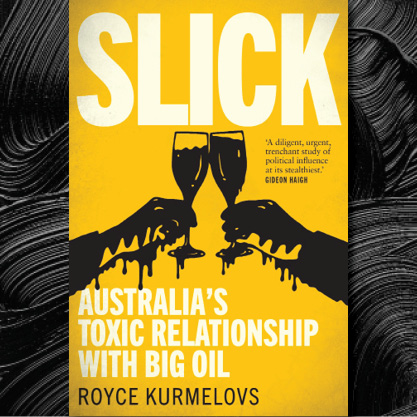
"Many books about climate change are worthy but dull. Slick, however, is as readable as it is shocking." - Richard Denniss, The Australia Institute, writing in The Conversation.
Reporting In
Where I recap what I’ve been doing this last fortnight so you know I’m not just using your money to stimulate the local economy …
- "SA premier 'fundamentally opposed' Randa Abdel-Fattah appearing at Adelaide writers' week, letter to board shows" (The Guardian AU, 18 January 2026).
 Royce Kurmelovs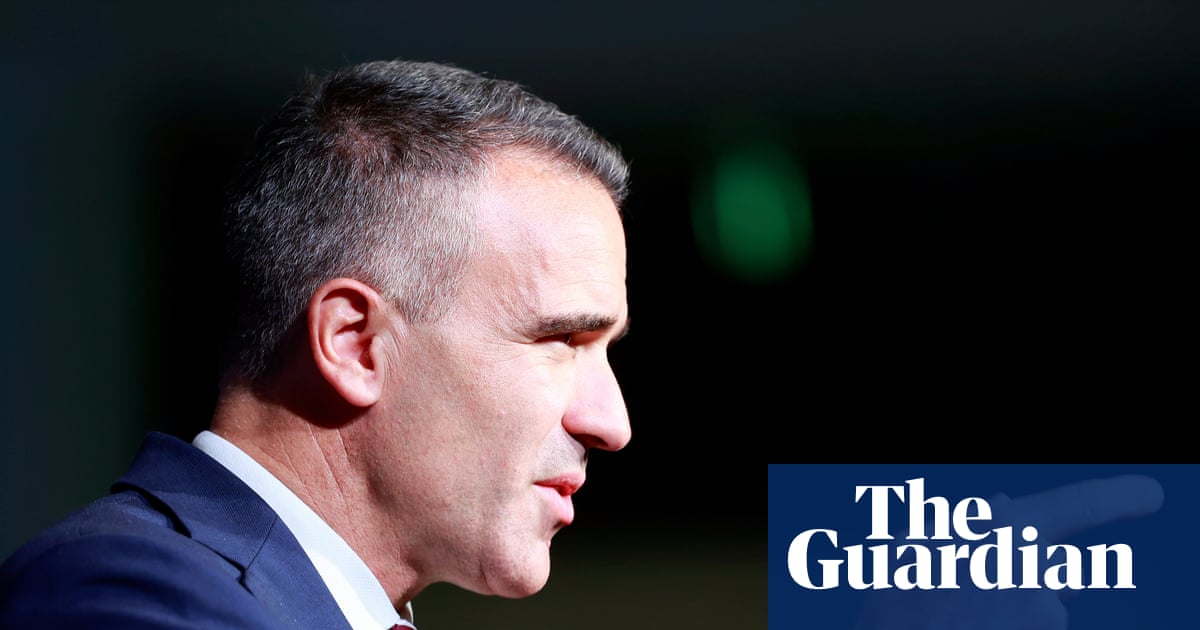
- "'It's embarrassing': riders say time is up for fossil fuel sponsorship of heat-affected Tour Down Under" (The Guardian AU, 13 January 2026).
 Royce Kurmelovs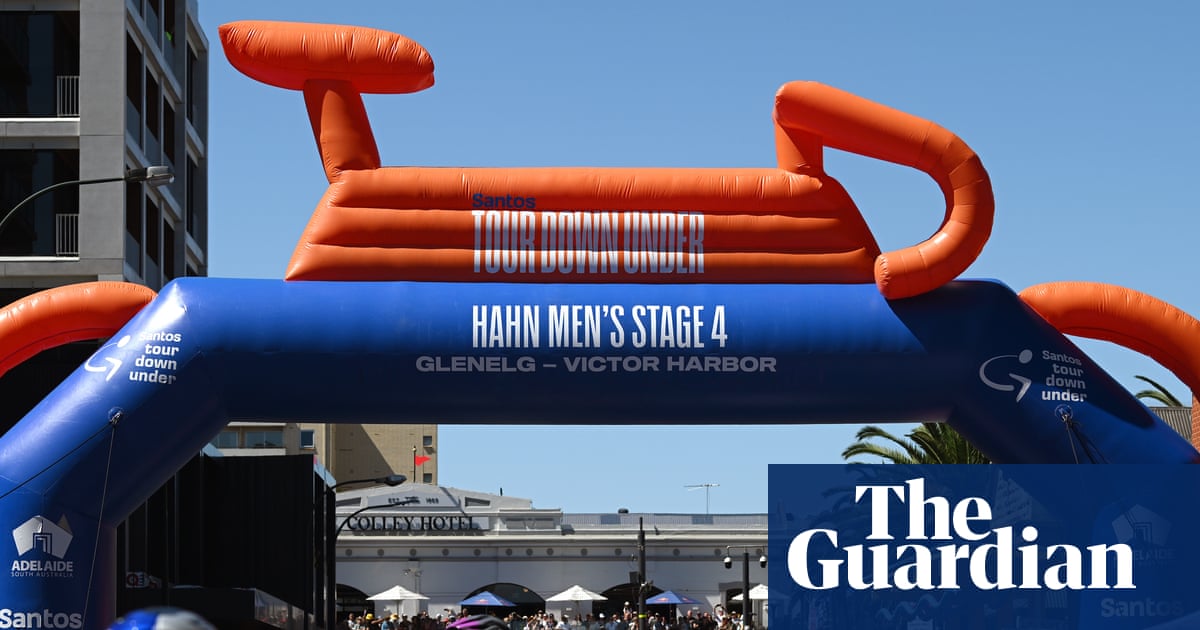
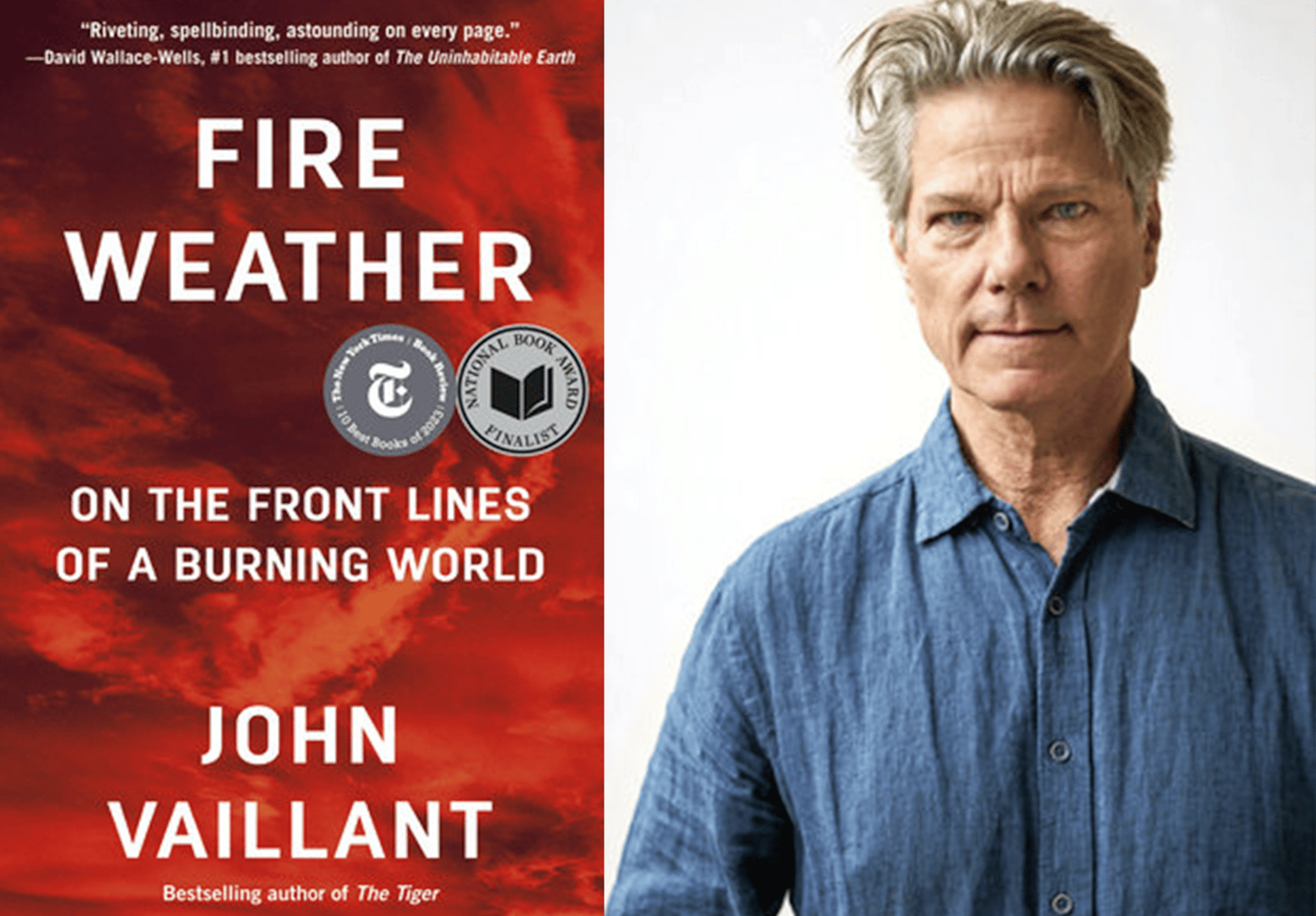
- "As Australia Burns, John Vaillant on the Climate-Fire Nexus" (Drilled, 13 January 2026).
Before You Go (Go)…
- Want to get in touch? Message me on Signal at username RoyceK.11. Alternatively you can send hard copies to: PO Box 134, Welland SA 5007
- And if you’ve come this far, consider supporting me further by picking up one of my books, leaving a review or by just telling a friend about Raising Hell!