Issue 101: You Always Remember Your First Time
“I think it’s very, very important for the pope to be careful when he talks about matters of theology." - JD Vance, author and Vice President of the USA, 14 April 2026.

I have driven cheap, second-hand cars my whole life. The truth is, I've really always been more of an A-to-B guy, largely because I've never had any money. If I lived somewhere with excellent public transport where everything was pretty much in walking distance, and I could get away with not being burdened by a money-sink on wheels, I absolutely would. This is ironic given my first book was about General Motors Holden and the collapse of the Australian car industry.
My first car was an ancient red Toyota Corolla. I learned to drive in that thing. It was manual, had no power steering and unpowered windows. My next car was trash. It was a silver Hyundai, Sonata sedan with sun damage to the paint on the back boot and which belched smoke due to an apparently unfixable oil leak in the engine. Sometime after that I graduated to an old Proton hatchback built in Malaysia that felt like it had been dug out of rock sediment dating to the neolithic. I bought the thing for $2000 off some family friends near the end of its working life, but it had power steering, electric windows and bravely soldiered on no matter what I did to it—until it didn't. I eventually killed it in a car accident 100 metres from my house, an experience I used to open a book about the Australian debt industry. Eventually, after I got over that, I bought a white Suzuki Swift hatchback off a friend who was moving overseas. That thing was small but mighty. I loved it. It was cheap to run and tough. The air conditioning was good. You could drive it into the middle of a gunfight in downtown Fallujah circa 2016 and it would still keep trucking.
The point is, the first time I drove an electric vehicle (EV) was in 2022. We were down in Tasmania and I had the notion to borrow an EV off some people we knew because I kept writing about these damn things but hadn't actually driven one. I wrangled an old, second-hand Nissan Leaf in return for a promise to bring back as much good, smelly cheese as we could haul along on our travels. Which, you know, whatever revs your engine, I suppose.
I couldn't find a clip of the Parts Unknown episode in Portugal where Anthony Bourdain says he will no longer do food porn but makes an exception for cheese porn. This is the next best thing.
The thing was long out-dated, superseded by vastly superior models even at that time, and completely eclipsed by the EVs available today. I can't remember the range, but it had to be about 300kms, maybe less, in a battery that drained the first 20% quick.
It was fantastic.
In fact, it was the nicest car I had ever driven. Starting it up was different but not alien to the driving experience. There was a weird ball-like mechanism that controlled the transmission but didn't take an engineering degree to operate. The first thing I noticed upon turning it on was how quiet it was. There was no roar with a turn of the key and the press of a pedal. It was simple. Push a button, it was on and we were off.
Now, this may not scratch the itch for true petrol heads, especially the weak men who think their ride is an expression of inner strength rather than a void. But the thing accelerated quick. Real quick. And the deep, low space-aged hum from the electric motor as we picked up speed on a straight made driving it sound and feel like something out of science fiction. It handled well, and being able to partly recharge the battery when braking in traffic or going down a hill felt like genius. Sure, it wasn't a Ferrari, but then how many people out there drive Ferrari's? Main thing is, it felt like the future.
Charging the thing for the first time was a little confusing, but then first time's are often confusing. The initial problem was working out how to open the hatch for the charging port. The second annoyance was having to download an app to engage with public charging machines. After that, it was plug-in and play. We mostly charged it overnight from the regular wall-port in the garage where we were staying, but sometimes used the public chargers when we were out or having lunch. Occasionally the charging station would be in operation but we solved that problem by driving to the next one.
Driving an EV was different, but not in any substantial way. It mostly changed how we thought about driving. We mostly had to be mindful of topography. Going up an down, and driving long stretches of road at speed all had different impacts on the battery. Still, we drove that thing all over Hobart, out to the country and back again. It was brilliant. My memory is fuzzy, but I recall petrol prices having shot up to about $2.30 a litre around that time. Maybe this is wrong, but the point is there had been a spike. As we drove past service stations where people sat in their cars, queuing to fill their tank, I remember laughing. There was a genuine feeling of freedom at not having to hand my hard-earned dollars and time to BP, Shell, Ampol, Chevron and ExxonMobil. Personally, I love the smell of petrol (probably something I should be concerned about), but I would be very happy to never see the inside of a service station again unless I was very drunk, it was 2am and I really just needed snacks.
The real moment of clarity came a few of days in when we were driving past yet another service station with sky-high prices and we simply kept going. My partner turned to me, unprompted, and said: "You know, I didn't really think about it before, but it really is insane that we put petrol in cars. Not just our car, but all cars."
Her moment of clarity has stayed with me as I've continued to write and report on this stuff. The engineering involved to make petroleum is impressive, but any way you look at it, the process is dangerous, complex and complicated. Moving it around relies on a vast infrastructure build dedicated solely to the exercise. The petrol tanks buried beneath service stations corrode over time and will often bleed a plume of pollutants into the soil around them. This stuff explodes. Tankers crash. Workplace injuries and jokes aside, suicide and self-harm is the dark secret of the oil and gas sector. People regularly die for the fantasy that, whenever we want, we might burn along the highway of life, at speed, with the sunglasses on, windows down and our elbow up, while we chain-smoke cigarettes and play Free Bird at volume over the stereo.
And don't even get me started on how the oil and gas industries lied about the reality of climate change.
Yes, the EV industry has issues, and yes, driving one will change your behaviour. Neither are the vehicles perfect—I am on the record as saying manufacturers need to stop trying to pack these things full of elaborate gizmos and AI and apps when the way forward is to build the AK-47 of EVs (make it cheap, so intuitive to use that a child could operate it, easy to fix and capable of running in all conditions). But what we're talking about here is the material, financial and psychological hydrocarbon chain that keeps us tethered to the old—and paying through the nose for the privilege.
Why do I say all this right now? Since the US and Israel began a war of aggression against Iran, a fossil fuel crisis has erupted across the globe. Petrol prices have spiked. Where countries like France have announced a €10bn a year program to electrify its economy, Australia has not—so far. The moment has instead been met with demands on the political right to drill, baby, drill and terrible reporting that is treating the 2026 fuel crisis like it was 1973. We've got reporters who once worked in public relations for oil giant Shell haranguing Climate Change and Energy Minister Chris Bowen for (rightly) refusing to subject himself to an obvious bad faith stitch up. We've also got far less problematic reporters still filing dispatches about their first encounters with electric vehicles that read like they were written in 2019 when Scott Morrison was telling the Australian people that EV's would "end the weekend". Generally, these pieces do not mention the existential threat posed by climate change, the need to move away from burning oil, gas and coal for fuel or that we have to do it now. Mostly, we learn about the reporter's impatience.
The reason why Morrison went so hard against electric vehicles was, ostensibly, his belief that they did not have the towing capacity to pull a trailer which meant you couldn't go camping. Here's a video of a Tesla towing a plane.
What offends me is not just that this is bad journalism, but it is dangerously irresponsible at this time in history. In the brief period where I tutored university journalism classes, I would always go on about how the first duty of a reporter is to the public. Not self-interest, not corporate interest, and certainly not the interests of the state. The public interest. Right now, it is deeply in the public interest that the press hammers local, state and federal governments for failing to properly plan, fund, build and roll out the infrastructure needed to support wider electric vehicle uptake at this very moment, and the failure to commit to a phaseout of oil, gas and coal.
Nine in ten cars sold in Norway today are electric vehicles; in Australia's it's about one in ten. It is damning that the thinking in this country is so inert, so outdated that we continue to treat the future as an exotic novelty. Given how it took decades for Australia to get rid of leaded petrol, this is not really surprising—and we're all still living with the consequences (looking at you, Gen X men). This time around, the threat is immediate and existential in a country so heavily reliant on aviation and car transport. Now is the time to move.
Good Reads
Because we here at Raising Hell know how much you love homework…
- Eyal Weizman writing in the London Review of Books has a beautifully written and brutal description of the utter destruction visited upon Gaza by Israel. The title, "All they will find is sand" is taken from an Israeli bulldozer operator who was bragging about what he had done.
- An incredible work of journalism has been published in the most unlikely of places: The Insurance Journal. Margie Mason had an incredible and tragic account of how coal power was driving up the cost of electricity bills in West Virginia.
- Guardian Environment reporter Lisa Cox had a major story about the WaterNSW turning off environmental flows to the Gwydir wetlands, leaving a barren mudflat and causing everything that depended upon it to die.
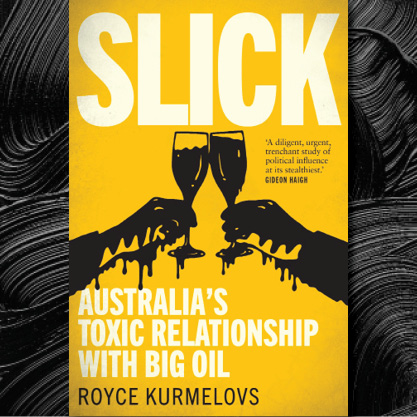
"Many books about climate change are worthy but dull. Slick, however, is as readable as it is shocking." - Richard Denniss, The Australia Institute, writing in The Conversation.
Reporting In
Where I recap what I’ve been doing this last fortnight so you know I’m not just using your money to stimulate the local economy …
- ‘The Year of Climate Backsliding, Part One: Australia' (Drilled, Newsletter, 15 April 2026).
 Royce Kurmelovs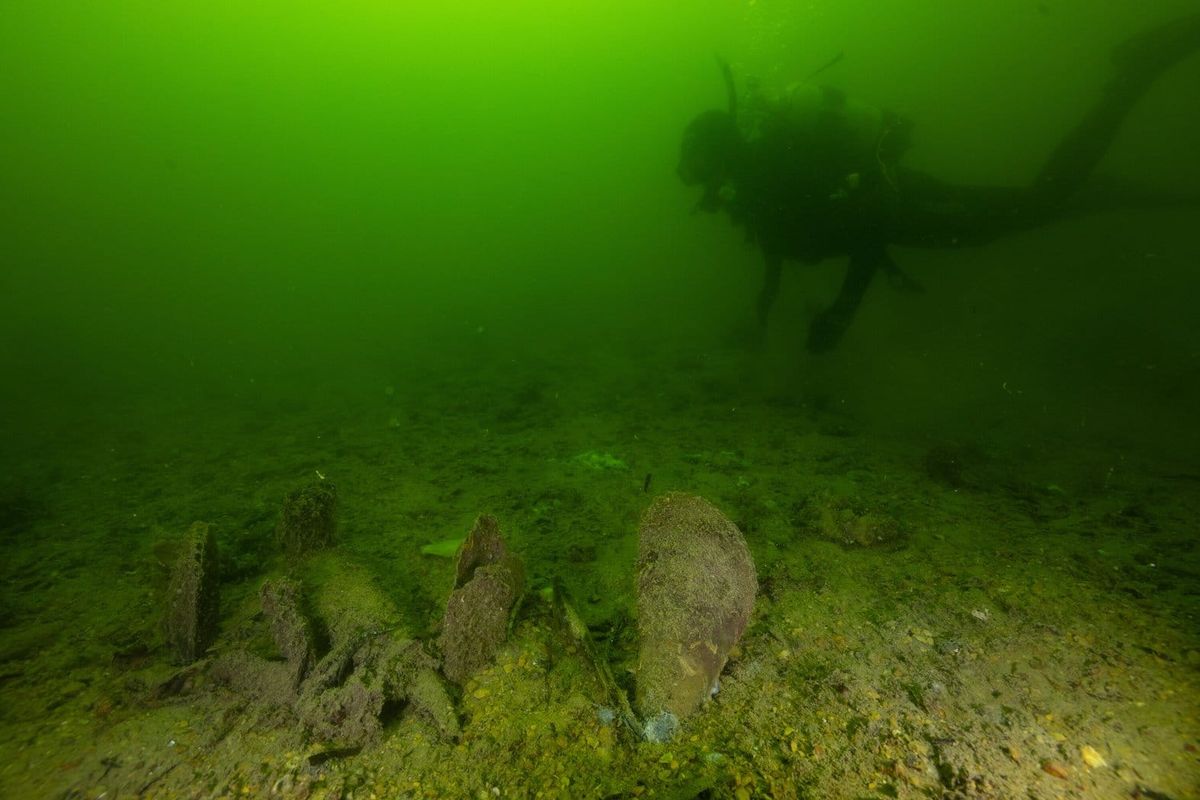
- ‘Australia needs to rapidly electrify as much as possible, as fast as possible' (RenewEconomy, 9 April 2026).
 Royce Kurmelovs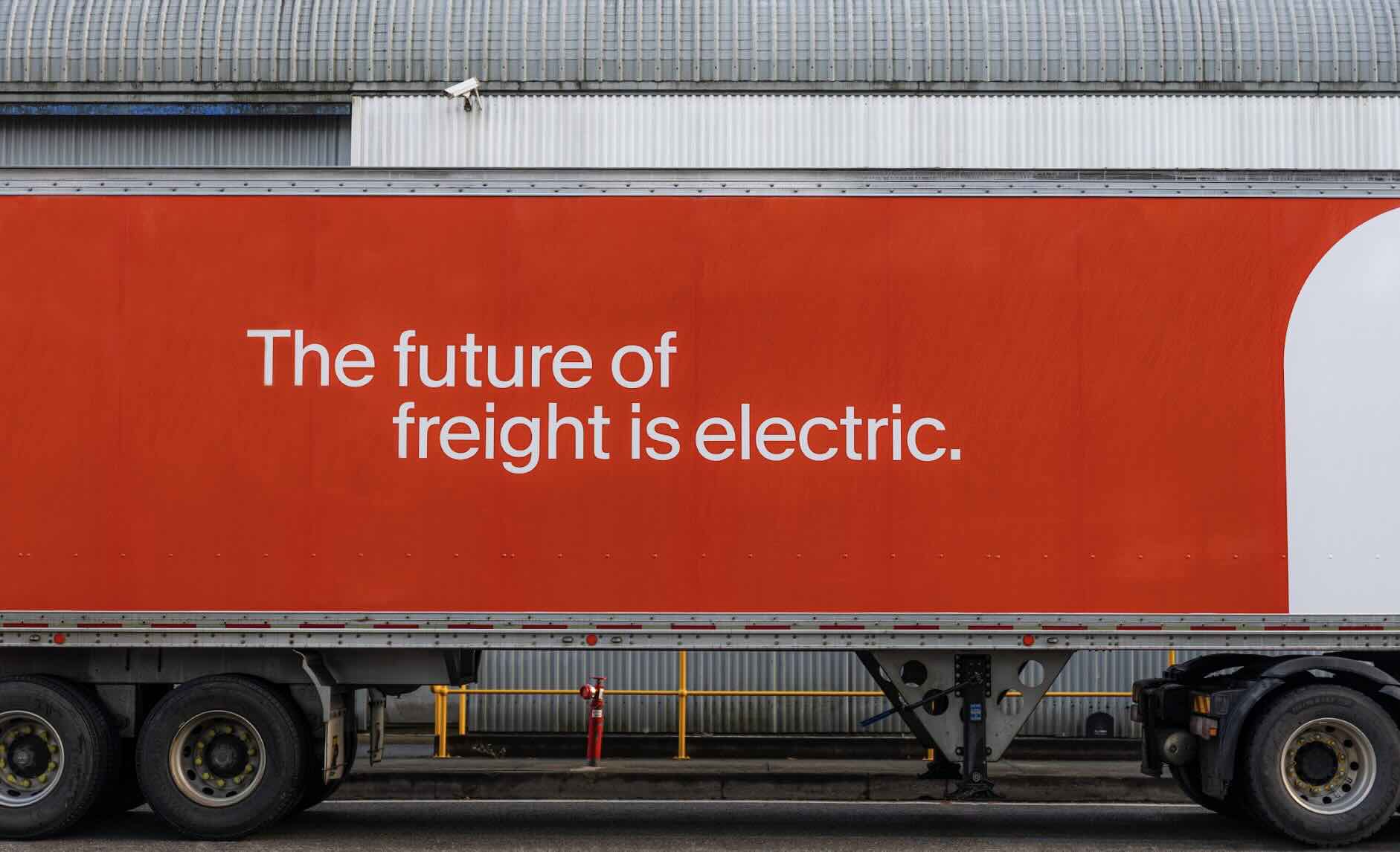
Before You Go (Go)…
- Want to get in touch? Message me on Signal at username RoyceK.11. Alternatively you can send hard copies to: PO Box 134, Welland SA 5007
- And if you’ve come this far, consider supporting me further by picking up one of my books, leaving a review or by just telling a friend about Raising Hell!